








As the demand for efficient manufacturing solutions grows, the market for Vertical Expander Machines is evolving. In 2026, global buyers will seek cutting-edge technologies to enhance production processes. Leading experts like Dr. Emily Zhao emphasize the significance of these innovations, stating, “The future of manufacturing hinges on the efficiency brought by Vertical Expander Machines.”
With various advancements in this machinery, manufacturers can expect heightened performance and productivity. Vertical Expander Machines play a vital role in industries such as automotive and aerospace. These machines are not just tools; they symbolize a shift towards smarter production capabilities. Their impact on reducing waste and optimizing resources cannot be overstated. However, buyers must critically evaluate their options and consider different specifications.
The landscape is rich with opportunities, but it also presents challenges. Buyers may experience uncertainty when assessing which machine to invest in. It's crucial to weigh the pros and cons before making decisions. As the industry progresses, continuous improvement and adaptation will be key. Understanding the nuances of Vertical Expander Machines will empower global buyers.
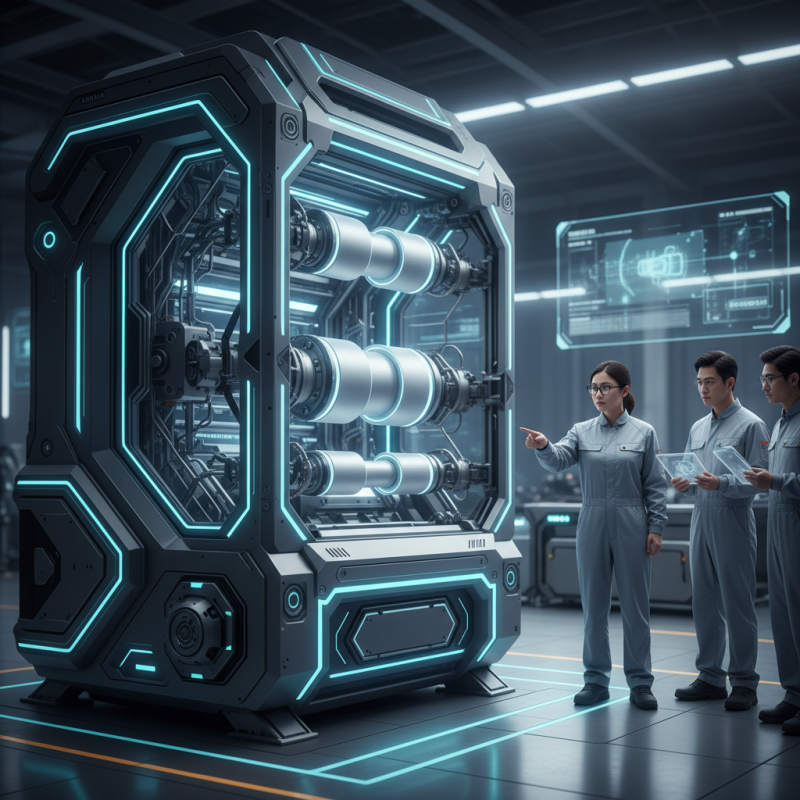
Vertical expander machines play a crucial role in various industries, such as manufacturing and construction. The global market for these machines is projected to reach $5 billion by 2026, marking a significant growth rate of 6.5% annually, according to industry forecasts. This growth is driven by increasing demand for efficient production methods and automation.
In 2026, buyers will seek machines that not only expand materials but also optimize energy consumption and minimize waste. Companies are focusing on developing machines equipped with advanced technology. Data suggests that machines with smart features can reduce operational costs by up to 20%. However, the challenge remains in balancing affordability with advanced capabilities. Many buyers may hesitate to invest in state-of-the-art technology due to initial costs.
The trend towards sustainability is also reshaping the vertical expander market. Manufacturers are exploring eco-friendly materials and processes. Recent studies indicate that 30% of companies are prioritizing sustainable practices. This shift may lead to innovative designs. However, the transition is not without difficulties. Many organizations face barriers such as outdated equipment and resistance to change. As the market evolves, finding the right machine will be essential for companies aiming to remain competitive.
Vertical expander machines are paramount in various industries. Their importance grows with the demand for innovative processing technologies. Key features such as energy efficiency, automated controls, and precise engineering boost productivity. Recent industry reports indicate that vertical expander machines can enhance production rates by up to 30%. Their design allows for easy integration with existing systems, ensuring minimal downtime.
With the rise of sustainability concerns, vertical expanders now focus on energy consumption. Manufacturers invest in advanced materials and technologies. For instance, hybrid systems incorporating electrical components can lead to significant energy savings. This evolution is exemplified by the new generation of machines that boast a 40% decrease in energy usage. Such improvements resonate well with global sustainability goals.
**Tips:** When considering vertical expander machines, assess their compatibility with your current operations. Ensure the technology aligns with your long-term goals. Keep an eye on emerging trends to maintain a competitive edge. Encourage teams to share feedback on machine performance to identify potential areas for improvement. Balancing innovation and practicality is crucial in this evolving market.
The global market for vertical expander machines is set to experience substantial growth in the coming years. According to recent industry reports, the market is expected to reach approximately $1.2 billion by 2026. This growth is driven by increasing demand for efficient manufacturing processes across various sectors, particularly in the automotive and aerospace industries. High-quality vertical expander machines are crucial for enhancing productivity and ensuring precision in manufacturing applications.
Leading manufacturers are focusing on innovation and performance. Many companies are investing in advanced technologies to improve machine efficiency and reduce operational costs. The latest trends indicate that features such as automated controls and energy efficiency are becoming essential. A recent report highlights that over 50% of buyers prioritize energy-efficient machines, reflecting a broader industry shift towards sustainability.
However, challenges persist. Manufacturers must navigate issues like supply chain disruptions and material shortages. These factors may hinder production capabilities and lead to delays. Further, the competitive landscape is intense, making it essential for companies to differentiate their products. Continuous improvement and adaptation are necessary to respond effectively to market dynamics. Understanding these complexities is vital for any buyer considering an investment in vertical expander machines.
As the expander machine market evolves, consumer preferences are shifting significantly. A recent industry report indicates that the global vertical expander machine market is projected to reach $1.2 billion by 2026, growing at a CAGR of 5.4%. This growth reflects increased demand for efficient production processes across various sectors, including food processing and pharmaceuticals.
Consumers are increasingly prioritizing energy efficiency and sustainability in their choices. A survey showed that 68% of buyers prefer machines with lower energy consumption. The trend is clear: buyers are searching for machines that minimize environmental impact while maximizing output. Many manufacturers are responding by integrating smart technologies. Such features allow for predictive maintenance and improved operational efficiency.
However, challenges remain. Not all manufacturers are able to keep pace with technological advancements. Additionally, some consumers report difficulties in sourcing spare parts for older models. As the market continues to grow, these issues may hinder overall satisfaction. Inspecting both current offerings and future innovations is essential for making informed purchasing decisions.
The vertical expander machine market is evolving rapidly. As of 2026, innovations in design and technology will shape its future. According to industry reports, the global vertical expander machine market is projected to grow at a CAGR of over 5% during the next few years. This growth is driven by increasing demand for energy efficiency and advanced manufacturing techniques.
Recent developments focus on automation and smart technology integration. Machines equipped with IoT capabilities are becoming standard. This allows for real-time monitoring and predictive maintenance, leading to reduced downtime. However, the industry faces challenges, including adapting to new technologies and training workers effectively.
Noise reduction technology is another area of innovation. Enhanced designs minimize operational noise levels. This is crucial for compliance with rising environmental regulations. Despite these advancements, there are concerns regarding the initial costs of modernized machines. Companies must weigh the benefits against long-term investments. The future of vertical expander machines will rely on addressing these challenges while embracing new technological opportunities.
| Model | Max Capacity (kg/h) | Power Consumption (kW) | Efficiency (%) | Innovations |
|---|---|---|---|---|
| Model A | 800 | 50 | 95 | AI-Powered Optimization |
| Model B | 1200 | 60 | 92 | Energy Recovery System |
| Model C | 1000 | 55 | 90 | Smart Control System |
| Model D | 950 | 53 | 88 | Modular Design |
| Model E | 1100 | 57 | 91 | Low-Noise Operation |
Hein Minnie
Cell nr: +27 (0) 82 564 6501
Email: sale@thecirclemachine.com
Hein Minnie Jnr
Cell nr: +27 (0) 84 284 7234
Email: sale@thecirclemachine.com
Address:
10 Apsey Street,
Heidelberg,
Gauteng,
1441
Bendet Engineering Services (PTY) LTD was established in 1987. Our team of engineers and draughtsman are ready to deliver a complete turnkey solution, from the design phase to commissioning. A dedicated team that consists of electrical, mechanical and industrial engineers, we are able to offer a comprehensive service to our clients.