

Choosing the right truck paint booth is more complex than comparing prices or catalog photos. A heavy-duty booth must handle long wheelbases, tall cabs, large doors, and demanding refinishing schedules. Airflow must remain steady around mirrors, chassis rails, and rear panels. Lighting should reveal color variation without creating harsh glare.
“Reliable paint quality begins with controlled airflow, correct filtration, and disciplined booth maintenance,” says Mark Turner, an industrial refinishing consultant with more than two decades of booth evaluation experience. His view reflects a practical truth. A powerful fan does not automatically create a better finish. Poor filter loading, uneven pressure, or weak exhaust design can leave dust near the roofline and overspray on fresh panels.
This guide reviews 10 best truck paint booth options for global buyers. It considers booth size, ventilation design, filter access, heating systems, energy use, control panels, installation support, and after-sales service. Regional conditions also matter. A booth operating in a humid coastal climate may need different corrosion protection than one serving a dry inland workshop.
No ranking is perfect. Buyer priorities differ.
Some fleets need fast cycle times. Others value lower operating costs or easier maintenance. A compact workshop may prefer a modular truck paint booth, while a high-volume facility may require a drive-through layout. Each selection should be checked against local safety requirements, electrical conditions, available floor space, and technician training needs. The best booth is not always the largest. It is the one that delivers predictable results, protects workers, and remains serviceable over many working years.
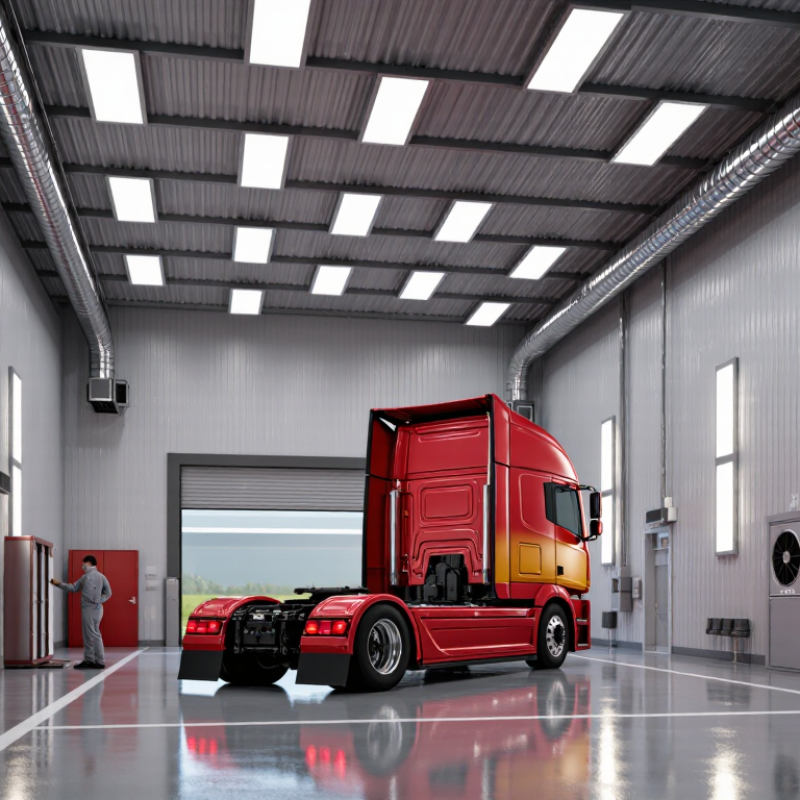
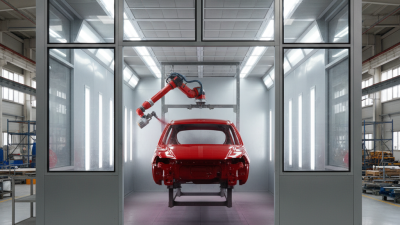
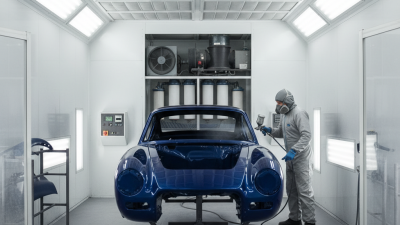
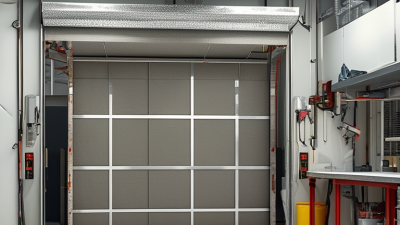
A truck paint booth creates a controlled space for coating large vehicles. Its steel enclosure limits dust, overspray, and uncontrolled vapor movement. Typical structures include intake filters, exhaust plenums, floor grates, lighting, access doors, and control panels. Air enters through filtered ceiling or wall sections, crosses the vehicle, and exits through exhaust filters. This planned airflow carries paint particles away from the surface.
The U.S. OSHA Technical Manual commonly references about 100 feet per minute for spray-booth face velocity. However, the correct value depends on booth design, vehicle size, coating type, and local requirements. EPA AP-42 guidance treats spray coating as a measurable source of volatile organic compound emissions. This makes filtration and exhaust design more than a cosmetic concern. They affect worker exposure, finish quality, and operating costs. In practice, I have seen oversized booths waste energy while undersized exhaust systems create uneven color. That mistake is expensive.
Tips: Check airflow at several points, not only near the exhaust wall. Confirm filter loading, fan capacity, lighting levels, and emergency controls before purchase. A booth may look impressive but perform poorly. Ask for tested airflow records and maintenance intervals. NFPA 33 and local authorities should guide final specifications, because regional rules differ. Some buyers focus too heavily on booth dimensions. The curing method, truck turnaround time, and available power deserve equal attention. A small design compromise can become a daily production problem.
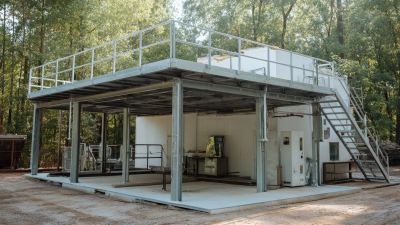
Comparing truck paint booths worldwide requires more than checking advertised size. Start with the booth’s usable length, width, and height. A heavy-duty truck needs turning clearance, not just parking space. Measure the largest vehicle, mirrors, ladders, and spray equipment. Fit matters. Airflow matters more. Experienced installers examine air velocity, pressure balance, and exhaust routing before recommending a configuration. Stable airflow reduces overspray and helps technicians achieve consistent finishes across large panels.
Filtration deserves close attention. Ask how intake filters, exhaust filters, and replacement parts are sourced in the destination country. Clear maintenance intervals support reliable operation. Review lighting levels, door seals, emergency controls, and fire protection provisions with qualified local professionals. Electrical supply and climate also affect performance. Humid coastal areas may need stronger moisture control, while cold regions require suitable heating capacity. Compare energy consumption during spraying, curing, and idle periods, not from one attractive brochure figure.
Documentation separates a promising booth from a risky investment. Request airflow test records, material specifications, installation drawings, and service procedures. Confirm that the design can meet applicable local workplace and environmental requirements. In field evaluations, after-sales response often matters as much as equipment quality. Replacement parts may take longer than expected. Plan for that weakness. A cheaper booth can become expensive when filters, training, or commissioning are overlooked. Buyers should inspect warranty limits and verify who handles technical support after installation. Small details become daily costs.
Global truck operators need paint booths that match vehicle size, coating volume, climate, and local safety requirements. The ten leading truck paint booth types include downdraft, semi-downdraft, crossdraft, side-draft, open-front, enclosed, drive-through, modular, dry-filter, and water-wash designs. Each type manages airflow and overspray differently. A full downdraft booth pulls contaminated air downward through the floor, supporting a cleaner finish. A crossdraft booth moves air horizontally and usually costs less. However, airflow direction can affect dust control.
Enclosed booths offer better environmental separation and temperature stability. Open-front booths provide faster access for large truck bodies. Drive-through models simplify vehicle movement, especially in busy repair facilities. Modular booths suit buyers who may expand later. Dry-filter systems are straightforward to maintain, while water-wash systems can handle heavier overspray when properly managed. Side-draft and semi-downdraft designs often balance installation cost with finish quality. They may suit medium-volume operations.
In practice, booth selection should include clearance measurements, fan capacity, filter access, lighting, fire protection, and worker visibility. A truck roof may need more height than expected. That detail is often missed. Buyers should verify electrical standards, emissions controls, ventilation rules, and fire-safety approvals in the destination market. No booth is perfect. Lower-cost airflow layouts can create uneven finishes, while advanced systems demand stricter maintenance. A reliable supplier should provide airflow data, testing records, operating instructions, and realistic service intervals. Never judge performance from painted panels alone; inspect air velocity, pressure balance, filter loading, and curing consistency during a full-size truck trial.
Choosing among the 10 best truck paint booths requires more than checking booth size. Safety rules change by market. In the United States, OSHA 29 CFR 1910.107 requires mechanical ventilation and a minimum average airflow of 100 feet per minute across an open booth face. EPA’s 40 CFR Part 63, Subpart HHHHHH also covers hazardous air pollutants, technician training, filtration, and records for automotive refinishing. A booth can look impressive yet fail during inspection.
European buyers must review local implementation of the VOC Solvents Directive, 2004/42/EC. Coating categories have different solvent limits. ATEX zoning may also apply where flammable vapors can occur. In China and other Asian markets, national ventilation, electrical, and emissions standards may differ from European practice. The International Energy Agency reports that industry remains a major energy consumer, so efficient airflow and heat recovery deserve attention. This is not only an environmental issue. It affects operating cost.
Tips: Ask for airflow test results, filter efficiency data, noise readings, and fire-suppression documentation. Confirm the electrical classification with a local engineer. Check whether the booth supports waterborne coatings and regional VOC limits. Do not trust a generic “global compliance” statement. Requirements can change, and certificates may cover only one configuration. I have seen buyers focus on curing speed while ignoring exhaust-stack permits. That mistake is expensive. Recheck the installation after commissioning, because real airflow often differs from the brochure.
| Rank | Target Market | Recommended Booth Configuration | Typical Internal Size for Trucks | Typical Airflow Design | Primary Emission-Control Method | Key Safety and Regulatory Frameworks | Environmental Priorities | Best-Fit Application |
|---|---|---|---|---|---|---|---|---|
| 01 | United States | Drive-through downdraft or semi-downdraft booth with heated curing capability | Length 18–24 m; width 5–6 m; height 4.5–5.5 m | About 75–125 fpm across the vehicle work zone, subject to approved design | Multi-stage intake and exhaust filtration; optional compliant VOC abatement for permitted installations | NFPA 33; OSHA ventilation and flammable-liquid requirements; EPA 40 CFR Part 63 Subpart HHHHHH where applicable; local fire and air permits | Explosion-protected electrical equipment, interlocked burners, grounding, overspray capture, and documented preventive maintenance | High-volume collision repair, fleet refurbishment, and heavy-duty truck refinishing |
| 02 | European Union | Full downdraft booth with heat-recovery ventilation and waterborne-paint compatibility | Length 18–24 m; width 5–6 m; height 4.5–5.5 m | Uniform vertical airflow; project-specific air volume based on booth geometry and risk assessment | High-efficiency dry filters, low-VOC coating compatibility, and thermal or catalytic abatement where required | EN 12215; ATEX 2014/34/EU and 1999/92/EC where explosive atmospheres are identified; Industrial Emissions and local permitting rules | Energy recovery, variable-speed fans, solvent-emission control, low-noise operation, and efficient curing | Large body repair centers and commercial-vehicle production or refurbishment facilities |
| 03 | United Kingdom | Semi-downdraft or downdraft booth with dedicated clean-air make-up unit | Length 18–23 m; width 5–6 m; height 4.5–5.5 m | Balanced supply and extract airflow designed to prevent uncontrolled solvent release into the workplace | Dry particulate filtration with controlled exhaust and solvent-management procedures | BS EN 12215; DSEAR; COSHH; UK environmental permitting and local fire-authority requirements | LEV performance testing, solvent exposure control, energy-efficient fans, and compliant stack discharge | Truck body repair, municipal fleets, and agricultural or construction equipment |
| 04 | Canada | Insulated crossdraft or downdraft booth engineered for cold-weather operation | Length 18–24 m; width 5–6 m; height 4.5–5.5 m | Filtered supply and exhaust airflow with winter make-up-air heating | High-capacity intake and exhaust filters; optional VOC treatment based on provincial requirements | Provincial occupational and environmental rules; applicable National Building, Fire, and Electrical Codes; NFPA 33 commonly referenced by authorities | Insulation, heat recovery, frost protection, low-temperature burner controls, and winter air-balance testing | Fleet maintenance facilities and repair shops operating in cold climates |
| 05 | Australia and New Zealand | Downdraft booth with robust dust pre-filtration and climate-control options | Length 18–24 m; width 5–6 m; height 4.5–5.5 m | Controlled filtered airflow selected for local climate, dust load, and coating process | Replaceable dry filters, overspray capture, and optional compliant exhaust treatment | AS/NZS 4114; applicable state or territorial building, fire, electrical, workplace, and environmental requirements | Dust control, heat-load management, efficient filtration, and protection against outdoor contamination | Mining, logistics, agricultural, and heavy-vehicle repair operations |
| 06 | Japan | Compact downdraft or side-draft booth with precision airflow and low-noise controls | Length 16–22 m; width 4.5–5.5 m; height 4–5 m | Stable, low-turbulence filtered airflow matched to the booth and coating process | Fine intake filtration, exhaust overspray filters, and controlled solvent ventilation | Local fire-service approval, Building Standards, Industrial Safety and Health requirements, and applicable JIS or electrical rules | Low noise, space efficiency, energy-saving fan control, and strict housekeeping | Urban repair centers, bus depots, and facilities with limited installation space |
| 07 | South Korea | Downdraft booth with automated airflow monitoring and centralized exhaust management | Length 18–24 m; width 5–6 m; height 4.5–5.5 m | Constant or demand-controlled airflow with pressure and filter-clog monitoring | Dry filtration, enclosed mixing areas, and exhaust control according to permitted emission levels | KOSHA requirements, Korean fire and electrical codes, and Clean Air Conservation Act permitting | VOC reduction, digital monitoring, worker exposure control, and efficient curing cycles | High-throughput commercial-vehicle repair and fleet service facilities |
| 08 | China | Large downdraft or side-draft booth with high-capacity filtration and compliant exhaust stack | Length 18–25 m; width 5–6 m; height 4.5–6 m | Engineered supply and exhaust volume based on GB requirements, process risk, and local approval | Multi-stage dry filtration; additional VOC treatment where required by local emission permits | GB 14444 and applicable GB fire, electrical, occupational-safety, and air-emission standards; local environmental approval | Particulate and VOC control, safe solvent storage, explosion protection, and documented filter replacement | Large fleet workshops, truck-body manufacturers, and regional refurbishment centers |
| 09 | Gulf Cooperation Council Markets | Insulated downdraft booth with powerful cooling, dust protection, and fire-system integration | Length 18–24 m; width 5–6 m; height 4.5–5.5 m | Filtered, conditioned make-up air sized for high ambient temperatures and frequent door operation | High-dust pre-filtration, fine exhaust filtration, and VOC treatment when required by the local authority | Local Civil Defense and municipality approval; applicable national fire, electrical, building, and environmental rules; NFPA commonly used as a design reference | Sand and dust exclusion, corrosion-resistant construction, cooling efficiency, and fire-water or suppression coordination | Bus, trailer, tanker, construction-equipment, and logistics-fleet refurbishment |
| 10 | Mexico and Brazil | Modular crossdraft or semi-downdraft booth with scalable heating and filtration | Length 16–24 m; width 5–6 m; height 4.5–5.5 m | Filtered crossflow or semi-downdraft airflow selected for local climate and production volume | Replaceable dry filters, controlled exhaust, and additional VOC equipment where permit conditions require it | Mexico: applicable NOM workplace, fire, and environmental rules; Brazil: NR-20, NR-23, local fire authority, electrical, and environmental requirements | Modular expansion, economical fan operation, safe flammable-liquid handling, and accessible maintenance | Independent truck repair shops, bus fleets, agricultural vehicles, and regional service centers |
10 Best Truck Paint Booths for Global Buyers?
Installation, Maintenance, and Total Ownership Considerations
Buying a truck paint booth requires more than comparing chamber size and advertised airflow. Installation often determines daily performance. Start with the building survey. Check ceiling height, floor strength, access doors, electrical capacity, and exhaust routes. Confirm local fire, ventilation, and worker-safety requirements before ordering equipment. Leave enough space for filters, lights, duct access, and safe vehicle movement. Tight layouts create expensive problems.
Field technicians often find that poor preparation causes uneven airflow, dust entry, and difficult servicing. That small mistake matters. A level foundation and correctly sealed panels help stabilize pressure. Commissioning should include airflow testing, temperature checks, lighting verification, and emergency-control testing. Keep those records. They support reliable operation and future troubleshooting.
Maintenance should follow actual usage, not a convenient calendar. Filters need inspection after heavy spraying, while fans, belts, burners, seals, and control sensors require documented checks. Do not rely on visual inspection alone. A missed belt warning can stop production unexpectedly. Total ownership costs include energy, replacement filters, labor, permits, training, and downtime. Compare these costs over several years, not only the purchase price. Energy-efficient equipment may still disappoint if spare parts are difficult to source locally. Ask about technical support, maintenance access, delivery times, and installer qualifications. One uncomfortable question remains: can your team maintain it without constant outside help?
Hein Minnie
Cell nr: +27 (0) 82 564 6501
Email: sale@thecirclemachine.com
Hein Minnie Jnr
Cell nr: +27 (0) 84 284 7234
Email: sale@thecirclemachine.com
Address:
10 Apsey Street,
Heidelberg,
Gauteng,
1441
Bendet Engineering Services (PTY) LTD was established in 1987. Our team of engineers and draughtsman are ready to deliver a complete turnkey solution, from the design phase to commissioning. A dedicated team that consists of electrical, mechanical and industrial engineers, we are able to offer a comprehensive service to our clients.