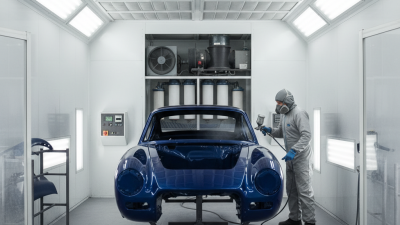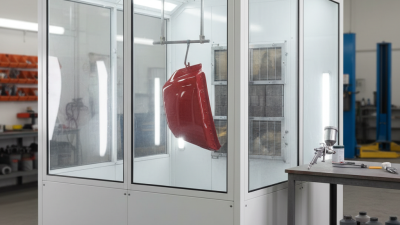





Choosing among China’s top portable paint spray booth manufacturers requires more than comparing prices or catalog photos. Buyers should examine booth dimensions, frame stability, filter access, airflow design, and the time needed for setup. A portable paint spray booth may look sturdy in a product image, yet feel less practical when a technician must move it through a narrow workshop doorway.
“Good booth design makes clean work easier, not merely more enclosed,” says Lin Wei, a portable finishing systems specialist. This editorial perspective captures a useful evaluation principle: check how the booth manages overspray, supports routine filter replacement, and fits the actual work area. Ask manufacturers for clear specifications, setup instructions, material details, and documented test information. These details help distinguish useful engineering from attractive marketing. Details matter.
This guide explores ten Chinese manufacturers and the features that may suit different workshops, production needs, and budgets. Some offer compact enclosures for occasional touch-ups; others focus on larger modular systems with lighting and extraction options. Compare each product against your coating process, available floor space, and maintenance capacity. Airflow matters. A booth that is awkward to assemble or costly to maintain can disappoint, even when its brochure looks convincing. Use the comparison as a starting point, then verify specifications directly with each supplier before choosing.
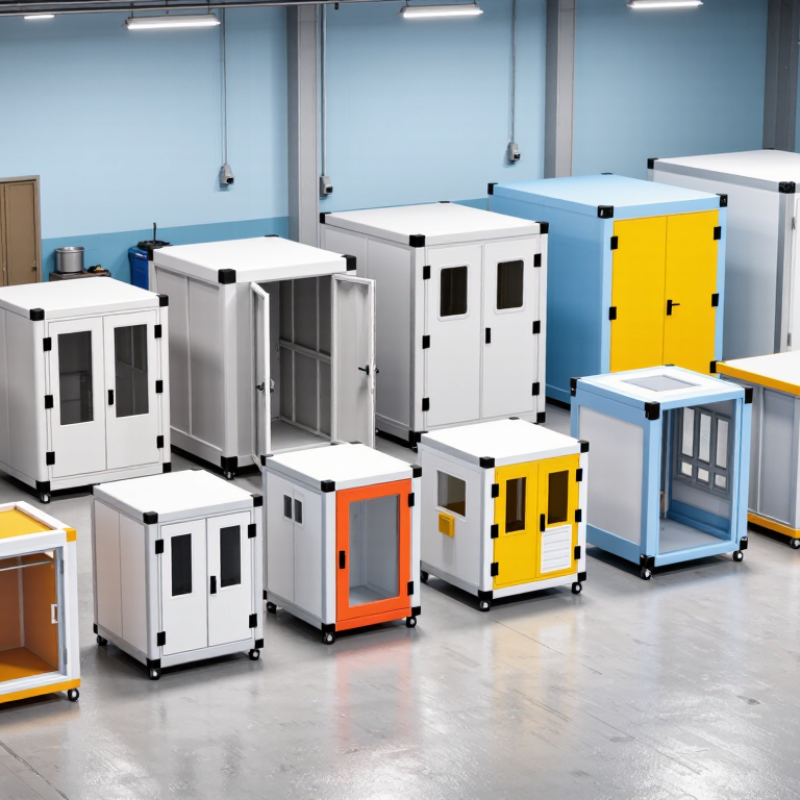
A portable paint spray booth is a movable enclosure designed to contain overspray and guide airflow during coating work. Its frame often uses lightweight sections that can be assembled, dismantled, and stored between jobs. Panels or curtains form the work area, while filters capture paint particles before air leaves the booth. It should feel practical, not flimsy.
Portability alone does not define performance. Look at the airflow path, filter access, lighting, and how securely the enclosure closes. A useful booth lets workers see wet edges clearly and replace loaded filters without awkward disassembly. Check the airflow indicator during operation; a rising restriction can affect capture. Small details matter.
A booth also needs to suit the object being sprayed. A narrow enclosure may work for cabinet doors but leave little clearance around a larger panel. Measure the workpiece, spray distance, and space needed to move safely before choosing a size. Noise and setup time deserve attention too. They are easy to overlook.
No booth is perfect. Portable designs can trade rigidity or quiet operation for easier transport, and that trade-off is worth examining against the actual workflow. Review the equipment instructions and coating requirements, then confirm that ventilation and filtration match the planned use. Do not rely on appearance alone.
This manufacturer-neutral guide summarizes ten common portable booth configurations and selection factors. It is not a verified ranking of manufacturers; specifications and suitability vary by design, coating, workpiece, and applicable local regulations.
| No. | Booth Configuration | Typical Use | Portable Design Features | Airflow and Filtration Considerations | Key Selection Check |
|---|---|---|---|---|---|
| 1 | Folding-frame enclosure | Temporary spraying of small parts, furniture, and repair items | Collapsible frame and flexible wall panels allow relatively quick setup and storage. | Confirm that the fan and filter arrangement is designed for the intended coating and installation; a simple enclosure alone does not control overspray. | Check frame stability, panel material, access openings, and the manufacturer’s setup instructions. |
| 2 | Pop-up spray tent | Occasional, light-duty spraying in a suitable controlled work area | Compact, lightweight enclosure that can be folded for transport. | Verify how contaminated air is captured and exhausted. Do not treat a tent as a substitute for required ventilation or fire-safety measures. | Review coating compatibility, ventilation requirements, and whether the intended work is permitted at the installation site. |
| 3 | Modular panel booth | Repeated work where the enclosure may need to be resized or relocated | Interlocking or bolted panels can be assembled into different layouts and dismantled for movement. | Panel joints, filter placement, and exhaust design should support the intended airflow path without avoidable leakage. | Assess assembly time, panel durability, replacement-part availability, and the space required for dismantling. |
| 4 | Portable crossdraft booth | General finishing tasks where air is intended to move across the work area toward an exhaust side | Usually arranged with an intake side and an exhaust/filter side in a linear layout. | Air distribution and filter loading affect performance; airflow must be assessed for the actual booth geometry and process. | Check the specified airflow, filter type, exhaust location, and applicable ventilation requirements. |
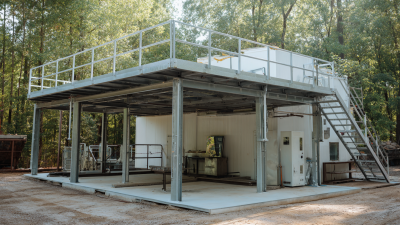
| 5 | Portable downdraft-style booth | Applications designed to draw airborne overspray downward toward a floor-level or lower exhaust system | May use a raised work area, floor filters, or a dedicated lower-air collection arrangement. | Requires a compatible floor or lower-exhaust design and careful consideration of installation and duct routing. | Confirm the floor arrangement, exhaust connection, maintenance access, and suitability for the site. |
| 6 | Filtered recirculating booth | Processes specifically engineered and approved for treated-air recirculation | Can reduce the need to discharge all process air outdoors when the system is designed and permitted for recirculation. | Recirculation suitability depends on the coating, contaminants, filtration stages, monitoring, and applicable rules; it should never be assumed. | Obtain written confirmation of process compatibility, filtration performance, monitoring provisions, and regulatory acceptance. |
| 7 | Exhaust-to-outdoors booth | Spraying operations that use a dedicated exhaust path to discharge booth air outdoors | A movable enclosure can connect to fixed or temporary ducting, subject to an appropriate installation design. | Exhaust routing, discharge location, makeup air, and filtration must be evaluated together. | Check duct compatibility, installation permissions, exhaust discharge requirements, and electrical arrangements. |
| 8 | Open-face portable booth | Large or awkward workpieces that need access from the front | Open working face simplifies loading, but the open area makes effective airflow design especially important. | Capture performance depends on face velocity, booth depth, workpiece placement, and cross-drafts; verify with the system supplier. | Compare the opening size with the workpiece and confirm that the proposed airflow is suitable for the process. |
| 9 | Enclosed portable booth with personnel access | Work requiring a more enclosed environment and controlled access | May include doors, service panels, lighting, and designated operator access. | Ventilation and filtration must account for enclosure volume, openings, operator activity, and coating hazards. | Review access, emergency egress, visibility, lighting suitability, and the required safety controls. |
| 10 | Portable booth with dedicated filtration unit | Operations needing a matched enclosure, fan, and replaceable filter arrangement | Booth and filtration equipment are supplied or configured as a coordinated system for relocation. | Filter efficiency, pressure drop, service intervals, and disposal requirements depend on the coating and captured material. | Request filter specifications, maintenance instructions, replacement availability, and performance data for the intended application. |