How to Choose the Right Standard Paint Booth?
Choosing the right standard paint booth is a practical decision, not merely a purchase based on booth size or price. A booth must control airflow, overspray, lighting, filtration, and worker exposure under real operating conditions. OSHA’s 29 CFR 1910.107 identifies ventilation, ignition control, and safe spray-finishing practices as essential requirements. NFPA 33, 2024 Edition, adds detailed guidance for spray application areas, exhaust systems, and fire protection. These references provide a safer foundation than attractive product photographs.
The market also shows why careful selection matters. Grand View Research reports continued growth in the global automotive paint booth market, driven by vehicle repair, manufacturing, and stricter environmental expectations. However, market growth does not guarantee a suitable booth for every workshop. A small repair center may need a compact downdraft design, while a production facility may require higher airflow capacity and faster curing performance. Check the details. Examine the booth’s internal dimensions, fan performance, filter replacement cost, lighting level, and maintenance access. EPA guidance on automotive refinishing also highlights the importance of controlling volatile organic compound emissions through proper equipment and operating practices. A lower purchase price can hide higher energy consumption, slower production, or frequent filter changes. This is where many buying guides oversimplify the decision. The “best” standard paint booth depends on vehicle dimensions, coating materials, daily workload, facility layout, and local approval requirements. Even experienced buyers can overlook future expansion. A careful comparison should include documented test data, manufacturer support, installation conditions, and the booth’s total operating cost—not only its catalogue price.
Define Your Painting Requirements and Booth Objectives
How to Choose the Right Standard Paint Booth?
Define Your Painting Requirements and Booth Objectives
A suitable standard paint booth begins with a clear description of the work. Record the largest part, its weight, and daily production volume. Measure doorways, ceiling height, loading paths, and available floor space before choosing a booth size. Small oversights can become expensive installation problems.
Identify the coating process and desired finish. Water-based coatings, solvent-based coatings, primers, and high-gloss finishes may require different airflow and filtration strategies. Consider spray equipment, flash-off time, drying needs, temperature control, and humidity sensitivity. Stable airflow can reduce dust, uneven coverage, and rework. It also helps protect operators when the system is correctly designed and maintained.
Set practical objectives, not vague promises. Decide whether the booth prioritizes finish quality, faster changeovers, lower energy use, or flexible batch sizes. Define acceptable coating defects and estimate filter replacement frequency. Inspect access panels, lighting, airflow indicators, and cleaning points during evaluation. These details show how the booth may perform after months of use. Perfect planning is uncommon. Leave capacity for growth, but avoid paying for unused space and excessive airflow. Review the layout with a qualified ventilation professional, and verify applicable fire, electrical, environmental, and workplace requirements. Reliable results depend on the whole process, not the booth alone.
Compare Standard Paint Booth Types and Configurations
How to Choose the Right Standard Paint Booth?
Compare Standard Paint Booth Types and Configurations
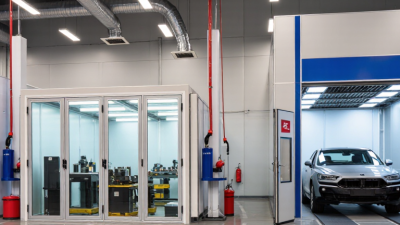
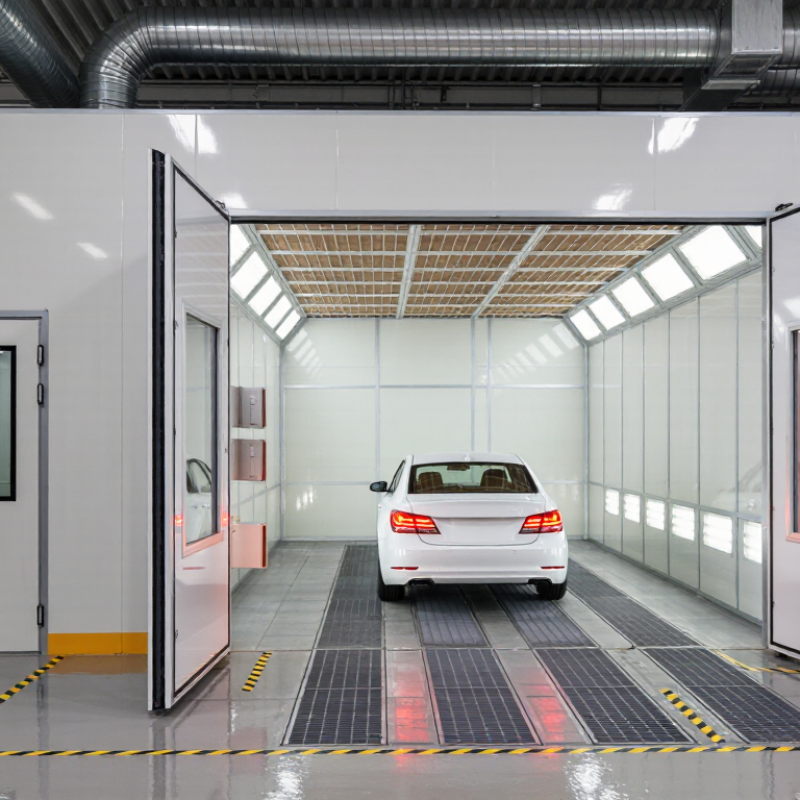
Choosing a standard paint booth starts with comparing airflow, booth type, and daily production needs. A crossdraft booth moves filtered air from the front toward rear exhaust filters. It is often practical for general refinishing and moderate budgets. A side-draft design pulls air across the work area into filtered side walls. This can reduce direct airflow over freshly coated surfaces. Downdraft booths draw air from the ceiling toward a grated floor. They usually provide the cleanest finish, but require deeper construction and more complex installation. Choose carefully.
Configuration matters as much as airflow. A fully enclosed booth offers stronger containment and more consistent lighting. An open-face booth can suit larger parts, touch-up work, or lower-volume operations. Modular panels may simplify expansion, while fixed structures can feel more stable over time. Check part dimensions, door swing, filter access, lighting position, and exhaust routing before ordering. A booth that fits the product but blocks maintenance access is a poor investment. In practice, small clearance errors create daily frustration.
Review airflow data, filter loading, noise, and cleaning requirements with a qualified booth professional. Confirm the electrical layout and fire-safety provisions against applicable local requirements. Do not judge performance from catalog airflow alone. Real results also depend on operator habits, coating viscosity, temperature, and preparation quality. A higher-specification booth is not always better. Sometimes a simpler crossdraft layout performs reliably because staff understand it. That assumption should be tested. Record finish defects, filter changes, and cycle times for several weeks before deciding.
Evaluate Size, Airflow, Filtration, and Lighting Specifications
Choosing the right standard paint booth starts with measurable specifications, not appearance.
Measure the largest workpiece, including doors, fixtures, and operator movement. Allow clearance around the object. A tight booth can restrict airflow and create uneven finishes. OSHA 29 CFR 1910.107 recommends a minimum average airflow of 100 feet per minute across open spray-booth faces. Verify this with a calibrated anemometer, not a hand-held guess.
Filtration should match the coating, overspray load, and exhaust design. A loaded filter increases pressure drop and can weaken capture performance. NFPA 33, 2024 edition, stresses proper ventilation, ignition control, and maintenance for spray application areas. Lighting also deserves attention. Use sealed, suitable fixtures that reveal pinholes, dry spray, and color variation without placing equipment inside the airflow path. The U.S. Department of Energy’s commercial lighting guidance links better task illumination with improved visual accuracy, but brighter is not always better. Glare can hide defects.
Tips:
Record airflow at several booth locations. Check filters before each production shift. Compare clean-filter readings with loaded-filter readings. I have seen operators trust a new booth too quickly. That is a mistake. Test the booth with the actual workpiece, coating viscosity, and production pace. Keep inspection records. A specification may look excellent on paper, yet poor maintenance can change its performance within weeks. Reconsider the design if operators open doors during spraying. That habit often signals inadequate size, access, or workflow planning.
Check Safety Systems, Compliance, Maintenance, and Energy Use
How to Choose the Right Standard Paint Booth?
Check Safety Systems, Compliance, Maintenance, and Energy Use
Choosing a standard paint booth requires more than comparing dimensions and airflow ratings. Inspect door interlocks, emergency stops, electrical grounding, alarms, and fire protection provisions. Each system should be accessible, clearly labeled, and tested under documented procedures. Small details matter. A loose inspection panel or blocked exhaust path can create serious operational risks.
Compliance depends on the installation location and process. Ask for current technical documents, airflow data, noise measurements, and material specifications. Confirm that the booth design matches local building, fire, electrical, and workplace requirements. A professional installer should explain these obligations in plain language, not simply promise approval. Keep records. They support inspections and help identify changing conditions.
Maintenance and energy use strongly affect long-term value. Choose filter sections that technicians can reach without dismantling the booth. Check pressure gauges daily, inspect seals monthly, and schedule ventilation and lighting tests. Variable-speed fans, efficient LED fixtures, and properly sized heating systems can reduce unnecessary consumption. However, energy savings must never weaken required airflow or safety performance. A booth may look efficient on paper but perform poorly when filters become loaded. That is an easy point to overlook. Ask for measured operating data, not only catalog estimates, and review the maintenance plan with the people who will use the booth every day.
Match Booth Features With Your Budget, Workspace, and Future Needs
Choosing a standard paint booth starts with your actual workflow, not the largest available model. Measure the workspace, door clearance, ceiling height, and airflow path. OSHA 1910.107 requires adequate mechanical ventilation and lists 100 feet per minute as a minimum average airflow for many open-front spray booths. That figure affects fan size, noise, heating loss, and operating cost.
Match the booth to today’s workload and tomorrow’s likely changes. A compact booth may suit occasional refinishing, while a larger enclosed unit supports longer parts and steadier production. Check filter access, lighting, replacement costs, and electrical demand before comparing purchase prices. The U.S. Department of Energy notes that industrial ventilation systems can create significant energy loads, especially when conditioned air is exhausted. A cheaper booth can become expensive during winter. I have seen budgets focus on the booth shell and overlook installation.
Tips: Sketch the largest part on the floor. Leave service clearance around the booth. Ask for fan performance data at the installed resistance, not only free-air ratings. Include permits, ductwork, fire protection, filters, and training in the budget. NFPA 33 guidance also emphasizes construction, ventilation, ignition control, and maintenance for spray application areas. These details may feel excessive for a small shop. They are easy to regret later. A flexible booth with accessible filters and upgradeable lighting may cost more now, but it can protect your workspace as production changes.