


7 Tips for Choosing a Downdraft Paint Booth

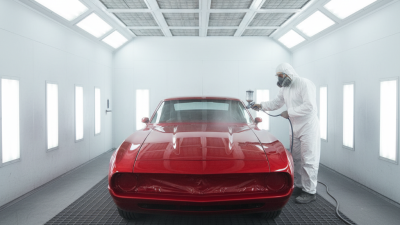
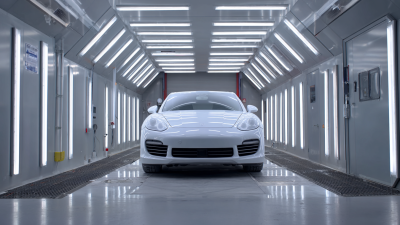
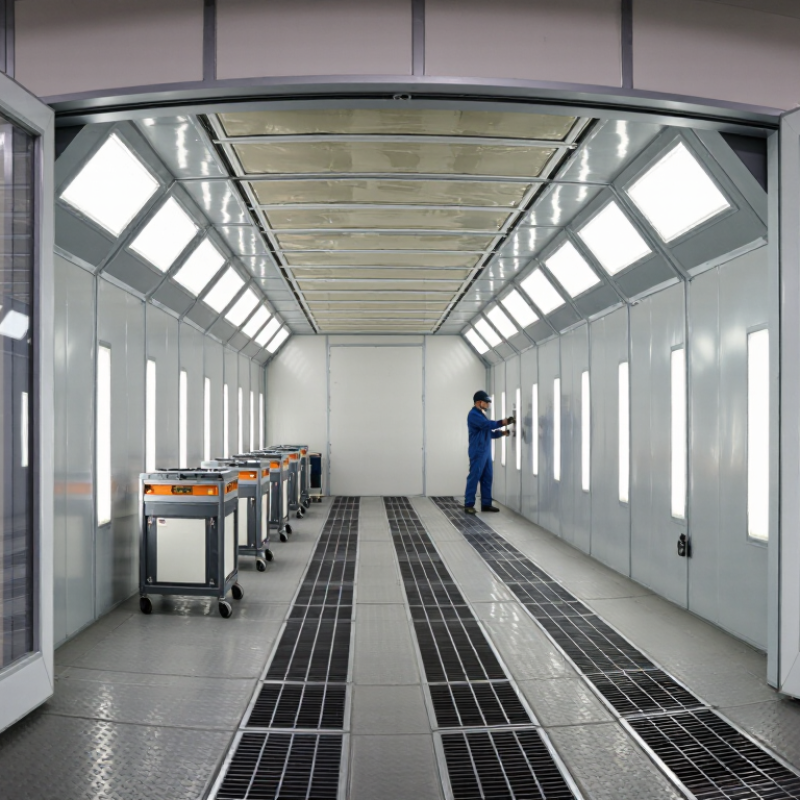
Choosing the right downdraft paint booth affects finish quality, worker safety, energy use, and daily production. A booth is not simply a large enclosure with powerful fans. Its airflow pattern, lighting, filtration, access doors, and maintenance design must match your work.

In real-world workshops, small details often cause expensive problems. A poorly positioned exhaust system may leave dust on a freshly coated panel. Weak lighting can hide uneven coverage until the surface dries. Filters that appear inexpensive may require frequent replacement, increasing operating costs. Measure your largest parts, carts, and spray equipment before comparing models. Leave practical clearance for movement and cleaning.

The seven tips in this guide focus on choices that buyers can verify. They cover airflow performance, booth size, filter efficiency, lighting, controls, safety features, and supplier support. Ask for documented specifications, service requirements, and installation guidance. Reliable manufacturers should explain how their equipment meets applicable workplace and environmental standards.

Do not judge a booth by its brochure alone. See one operating if possible. Listen for unusual fan vibration. Check whether filters are easy to reach. Observe overspray around doors, corners, and floor grates. These observations reveal more than attractive photographs.

A cheaper model can look sensible at first. It may become costly later. The best decision depends on your coating materials, workload, building conditions, and trained operators. Even careful buyers can overlook local requirements. Confirm them with qualified professionals before installation.
7 Tips for Choosing a Downdraft Paint Booth

Define Your Painting Requirements and Booth Size

Define Your Painting Requirements and Booth Size

Before selecting a downdraft paint booth, measure the largest part, not the average part. Record its length, width, height, weight, and rotation space. Add room for spray-gun movement, filters, lighting, and safe operator access. A cabinet measuring 8 by 4 feet may need a booth exceeding 10 by 6 feet internally. Tight clearances create overspray pockets and uncomfortable working positions.

Airflow demand must match the booth’s working area. OSHA’s spray-finishing standard, 29 CFR 1910.94(c), identifies 100 feet per minute as the minimum average velocity for open-face booth airflow. This figure is not a universal downdraft design value. A preliminary calculation helps: an 8-by-10-foot floor area at 100 feet per minute equals 8,000 cubic feet per minute. Final airflow requires engineering review, filter loading data, and duct resistance calculations. NFPA 33 also emphasizes controlling vapor accumulation and ignition hazards through suitable booth construction and ventilation.

I once underestimated door clearance.

That mistake affected loading time and operator movement. Define your coating type, daily production, drying method, and largest future workpiece before requesting quotations. Waterborne coatings, solvent-based coatings, metallic finishes, and high-solids materials can require different filtration and exhaust arrangements. The U.S. Environmental Protection Agency’s AP-42 guidance shows that coating emissions vary with material composition and application efficiency. Therefore, do not size the booth by dimensions alone. Match the enclosure, airflow, filtration, and exhaust system to documented process conditions.
Compare Downdraft Airflow Performance and Filtration Systems

7 Tips for Choosing a Downdraft Paint Booth

Compare Downdraft Airflow Performance and Filtration Systems

Downdraft performance starts with measurable airflow, not a brochure claim. During booth commissioning, technicians should record face velocity, static pressure, and airflow balance. OSHA 29 CFR 1910.94(c) identifies 100 feet per minute as a minimum average velocity for many open-face spray booth applications. Downdraft designs still need site-specific testing, especially around grates, corners, and vehicle wheels. A smoke pencil can reveal dead zones that an average reading misses.

Airflow losses increase as filters collect overspray. Select a fan with usable reserve capacity, then monitor filter pressure drop during production. EPA AP-42, Chapter 4.2, identifies transfer efficiency and capture performance as major variables in surface-coating emissions. That makes filter condition part of process control. Dry intake filters capture paint particles, while secondary filters may address finer aerosols. Activated carbon serves a different purpose and should not be treated as a particle filter. It is an easy mistake.

Look closely at the filtration rating. ISO 16890 classifications help compare coarse and fine-particle performance, but they do not replace airflow testing. A high-efficiency filter can restrict air if its surface area is too small. NFPA 33 also emphasizes suitable ventilation and safe equipment design for spray applications. Ask for test records, filter replacement intervals, and fan curves. Do not trust clean-looking floors alone. Overspray may be traveling into the exhaust path. One practical improvement is a simple weekly log, although many shops stop updating it when production becomes busy.

7 Tips for Choosing a Downdraft Paint Booth - Compare Downdraft Airflow Performance and Filtration Systems
# Selection Dimension Recommended Benchmark or Data Point Why It Matters How to Verify Before Purchase
1 Measure the Downdraft Airflow Airflow Performance A full downdraft booth commonly targets an average vertical airflow of approximately 0.25–0.50 m/s across the operator zone, subject to local regulations, booth design, and coating requirements. Adequate downward airflow helps move overspray away from the painted surface and reduces airborne contaminants that can affect finish quality. Request measured airflow data taken at multiple points across the working area, not only the fan outlet. Confirm that the test conditions represent clean and loaded filters.
2 Check Airflow Uniformity Coverage Consistency Look for a documented airflow survey showing consistent readings across the floor grid. Large variations between test points may indicate dead zones or uneven extraction. Uniform airflow supports more predictable overspray capture and helps prevent localized turbulence, paint defects, and uneven drying conditions. Ask for a grid-based test report covering the center, corners, operator position, and vehicle or workpiece perimeter. Verify that readings are recorded with calibrated instruments.
3 Compare Filter Efficiency Filtration System Select a staged filtration system. Typical systems may include a primary intake filter, overspray arrestor, and final exhaust filter. Filter efficiency should be stated using a recognized test method rather than a vague percentage claim. Multi-stage filtration protects exhaust equipment, reduces visible emissions, and lowers the amount of coating residue released into the surrounding environment. Request the filter class, test standard, particle-size range, pressure-drop data, and intended coating type. Confirm that the final filter is suitable for the actual paint chemistry and overspray load.
4 Evaluate Pressure Drop Energy and Fan Load Compare the clean-filter and loaded-filter pressure-drop values in pascals (Pa). A rising pressure drop indicates increasing resistance and may reduce airflow if the fan has no reserve capacity. Excessive resistance can increase electricity use, reduce capture performance, shorten fan life, and cause airflow to fall below the design target. Confirm that the fan curve covers the total system resistance, including ductwork, filters, dampers, and exhaust components. Ensure differential-pressure gauges or sensors are included for maintenance monitoring.
5 Review Filter Capacity and Service Life Maintenance Planning Compare usable filter area, rated dust or overspray-holding capacity, replacement intervals, and the number of filter stages. Actual service life depends on paint volume, solids content, spraying technique, and operating hours. Filters with greater usable area generally load more slowly, helping maintain airflow and reducing unplanned shutdowns and disposal frequency. Calculate estimated annual filter consumption using expected operating hours and coating volume. Check whether replacement can be completed safely without disturbing other booth components.
6 Confirm Air Balance and Make-Up Air Booth Stability The make-up air system should be properly balanced with exhaust airflow. Excessive negative pressure can cause door leakage, turbulence, unstable airflow, and difficulty maintaining the intended booth conditions. Stable pressure and temperature improve spray control, reduce contamination from outside air, and help maintain consistent coating results. Ask for design supply and exhaust airflow values, pressure measurements, air-change data, and temperature-control capability. Verify that doors, seals, and intake filters are included in the balance calculation.
7 Match the System to the Coating Process Application Fit Compare booth airflow direction, capture arrangement, filter media, exhaust design, and fire-safety provisions with the coating type, spray equipment, workpiece size, and local environmental requirements. A booth optimized for one process may perform poorly with another. Solvent-based coatings, waterborne coatings, high-solids materials, and powder applications can require different ventilation and filtration approaches. Provide the supplier with coating safety data sheets, spray-gun specifications, workpiece dimensions, production rate, and operating schedule. Obtain a written compliance and suitability statement before ordering.

Evaluate Booth Construction, Materials, and Safety Features

7 Tips for Choosing a Downdraft Paint Booth

Evaluate Booth Construction, Materials, and Safety Features

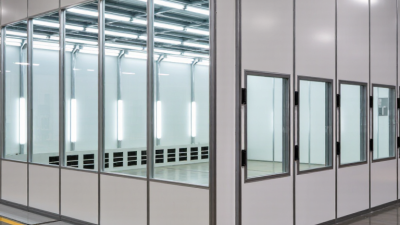
A downdraft booth should feel rigid before it ever runs. Inspect the frame, panel joints, doors, and floor support for movement or gaps. Strong steel construction reduces vibration and helps maintain stable airflow. Sealed joints also prevent overspray from collecting inside hidden cavities.

Choose smooth, nonporous surfaces that tolerate cleaning chemicals and repeated coating work. Galvanized steel can provide practical corrosion resistance, while stainless steel suits harsher cleaning conditions. Avoid exposed wood, soft insulation, or rough seams. These materials can absorb vapors and make contamination harder to control. Check whether the floor grating can support equipment without blocking airflow. A small obstruction can create a large dead zone.

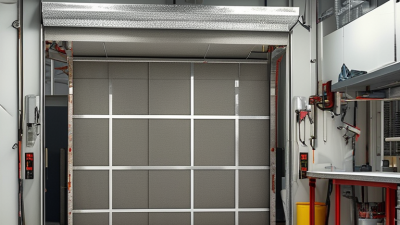
Safety depends on more than an exhaust fan. Look for airflow monitoring, filter-pressure indicators, emergency stops, grounded components, and properly protected lighting. Door interlocks can prevent spraying when airflow is inadequate. Fire protection should match the booth design and local requirements. Ask for maintenance records, electrical documentation, and a clear filter replacement schedule. During one inspection, a clean booth still showed weak airflow because its filters were overdue. It looked ready. It was not. Test the booth under working conditions, with the intended filter load and equipment in place. Verify exhaust discharge, makeup air, and noise levels with qualified professionals. Local codes may require additional controls.

Check Code Compliance, Installation Needs, and Maintenance Access

7 Tips for Choosing a Downdraft Paint Booth

Code compliance should guide your decision before booth size or price. Requirements vary by location, building type, and coating process. Ask the local authority having jurisdiction about fire protection, electrical classification, exhaust discharge, and ventilation rates. Keep written approvals and permit records. A booth that fits the floor may still fail an inspection.

Installation details deserve equal attention. Measure ceiling height, access doors, slab thickness, and available electrical capacity. Downdraft airflow may require a pit, raised platform, or specialized ductwork. Confirm that exhaust air can leave the building safely and legally. Have a qualified installer review the layout before delivery. Small measurement errors become expensive changes later.

Maintenance access is not a minor feature. Filters, fans, lights, grates, and duct connections need safe, direct access. Leave enough clearance for a technician carrying tools and replacement filters. Check whether panels open without moving the booth. Look for washable surfaces, visible pressure gauges, and simple filter-change points. Record cleaning intervals and airflow readings.

Do not rely on a polished brochure.

A practical test helps. Stand where service work will occur and imagine replacing a clogged filter on a busy day. Is the path clear? Can you isolate power safely? I have seen plans that looked efficient but ignored awkward access above the exhaust section. That mistake can delay maintenance and reduce performance. Recheck the layout with your installer, electrician, and safety professional before committing.

Calculate Total Costs, Energy Use, and Long-Term Operating Value

7 Tips for Choosing a Downdraft Paint Booth

Calculate Total Costs, Energy Use, and Long-Term Operating Value

Tip 1: Price the complete installation, not only the booth. Include foundations, ductwork, electrical upgrades, filters, lighting, delivery, and setup labor. A low purchase price can hide expensive preparation work. Ask for a five-year cost estimate with realistic maintenance intervals. Record every assumption.

Tip 2: Measure energy use before choosing airflow capacity. Check fan motor power, operating hours, heating demand, and seasonal conditions. A booth running eight hours daily may consume far more than expected. Request performance data at the airflow you actually need. Bigger is not always better.

Tip 3: Compare filter costs and replacement time. Dust loading affects airflow, finish quality, and electricity consumption. A clogged filter makes the fan work harder. Keep spare filters available, but avoid overstocking them. Storage costs are easy to overlook.

Tip 4: Calculate labor value and downtime. Faster cleaning and stable airflow can improve daily production. However, advertised savings may not match your workflow. Test the layout with actual parts, carts, and operators. A few minutes lost per job can become hundreds of hours annually.

Tip 5: Review controls, safety features, and service access. Reliable sensors can prevent inefficient operation and unexpected shutdowns. Ask how quickly common components can be inspected or replaced. Difficult access creates hidden labor costs.

Tip 6: Estimate long-term operating value, not simple payback. Include energy, consumables, repairs, training, and expected service life. I once underestimated cleaning labor, and the calculation changed noticeably. Recheck your figures after one month of real use. Practical data beats optimistic assumptions.

7 Tips for Choosing a Downdraft Paint Booth: Calculate Total Costs, Energy Use, and Long-Term Operating Value

This planning comparison uses representative operating assumptions: 2,000 operating hours per year, an electricity rate of $0.14 per kWh, five years of ownership, and typical costs for installation, filters, and preventive maintenance. The VFD-equipped configuration uses approximately 12,000 kWh per year, compared with 18,000 kWh for the standard configuration and 9,000 kWh for the high-efficiency configuration. Actual results depend on booth size, airflow requirements, local energy rates, coating processes, filter loading, and maintenance practices.

Open chat
Scan the code
Bendet Sales Assistant
Hi There👋,
Thank you for visiting our website, How can I help you?