




Top Tips for Choosing the Best Conveyor Systems for Your Needs?

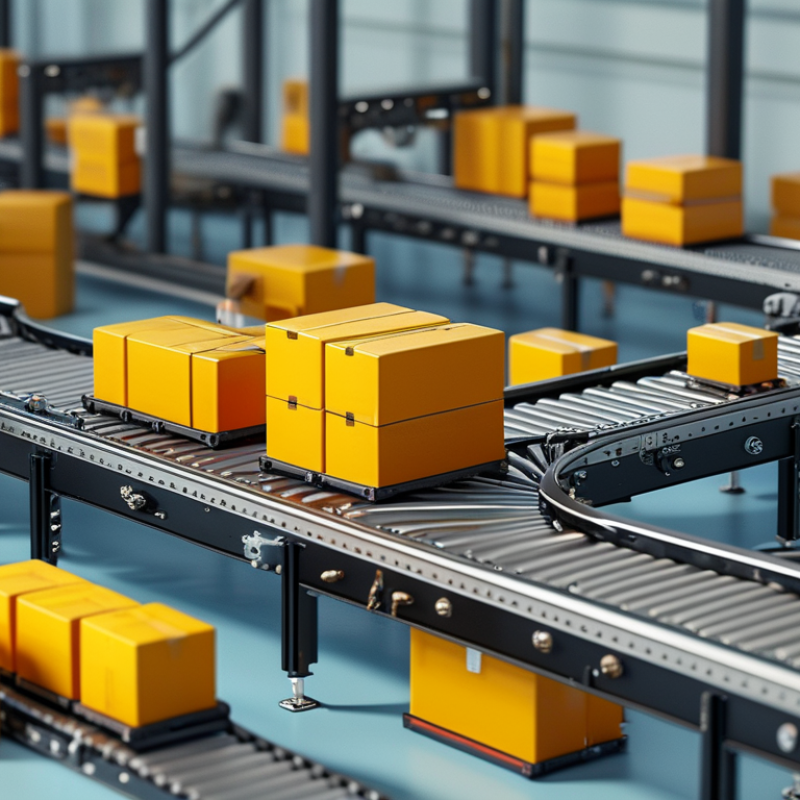
Choosing the right conveyor systems can significantly impact your business operations. According to a recent report by the International Conveyor Association, 70% of companies experience improved efficiency when suitable systems are implemented. Experts emphasize that understanding your specific needs is crucial. John Anderson, a leading expert in conveyor technologies, states, “Selecting the best conveyor system simplifies workflows and maximizes productivity.”

With various designs and technologies available, selecting an appropriate system often overwhelms businesses. Many overlook the importance of assessing factors like load capacity, speed, and maintenance requirements. It’s common for businesses to encounter issues after installation due to inadequate planning. Therefore, it’s essential to reflect on both current and future needs before making a choice.

The conveyor system industry continues to evolve with advancements in technology. Various options cater to diverse sectors, from manufacturing to logistics. However, some companies still struggle to adapt and face challenges in optimizing their systems. Understanding these complexities is vital for making informed decisions.
Top Tips for Choosing the Best Conveyor Systems for Your Needs?

Understanding Your Conveying Needs and Objectives

Understanding your conveying needs and objectives is crucial when selecting a conveyor system. Every industry has specific requirements. For example, food processing often demands systems that adhere to strict hygiene standards. Reports show that 70% of businesses face inefficiencies due to unsuitable conveyor solutions. This highlights the importance of careful assessment.

Evaluating product size, weight, and volume is essential. A system should be adaptable to different types of loads. In logistics, 25% of conveyor failures result from poor load handling. Consequently, manufacturers must embrace flexibility in their designs. Additionally, considering maintenance needs is key. Research indicates that up to 40% of operational downtime is linked to neglected maintenance schedules.

Cost is always a factor, but prioritizing long-term efficiency may save money. Systems with energy-saving features can reduce operational costs by up to 30%. However, these options might require higher initial investments. It's essential to align your budget with your operational goals. Take time to reflect on past experiences with conveyor systems. What worked? What didn’t? Understanding these insights can lead to more informed decisions.
Evaluating Different Conveyor System Types

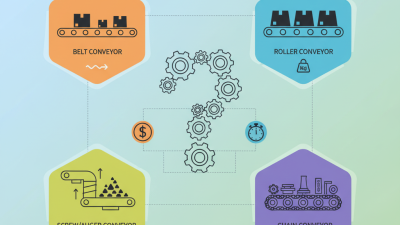
When choosing a conveyor system, it’s crucial to evaluate different types according to your unique needs. The three common types are belt conveyors, roller conveyors, and overhead conveyors. Each type serves distinct functions, so understanding their advantages is key.

Belt conveyors are versatile and ideal for handling bulk materials. They can transport a wide range of products, from light items to heavy loads. According to a Market Research report, belt conveyors are expected to grow by 6% annually due to their adaptability and efficiency.

Roller conveyors, on the other hand, are great for heavy-duty applications. They utilize gravity and often require less maintenance. Studies suggest they can increase operational efficiency by up to 30% in warehouse settings.

Here are some tips: Assess your space. Consider the length and width available for the conveyor. Think about product weight and size. It’s essential to choose an appropriate system to maximize functionality and efficiency.

Another key point is future scalability. Will your business grow? Selecting a flexible system that can adapt to changing needs is vital. Look for options that can handle increased loads or different product types. Addressing these points can lead to better productivity and reduced operational costs.

Key Factors to Consider in Conveyor System Selection

Selecting the right conveyor system for your operations is crucial. Understanding your specific needs is essential. Different industries have unique requirements. Factors like load capacity, speed, and layout matter significantly. Each of these elements contributes to system efficiency and overall performance.

Consider the material being handled. Different materials require different belt types. For example, heavy items need a robust design. Think about the environment too. Dusty or wet conditions require specialized equipment. Neglecting these details can lead to unforeseen challenges and costs.

When evaluating options, think about flexibility. Can the system adapt to future changes? Modularity can save time and money. Efficiency is another key factor. An optimized conveyor can reduce energy consumption. Always seek expert advice to make informed decisions. Learn from others’ experiences to avoid common pitfalls.

Assessing Quality and Reliability of Conveyor Manufacturers

When selecting a conveyor system, assessing the quality and reliability of manufacturers is crucial. A well-crafted conveyor system should withstand daily demands and deliver consistent performance. Research potential manufacturers thoroughly. Look for their experience in the industry. Experience often translates into knowledge of best practices and the ability to troubleshoot issues effectively.

One tip is to examine customer reviews and testimonials. Real-life experiences can reveal insights into a manufacturer's reliability. Ask about their warranty policies and support services. A manufacturer that offers robust customer support demonstrates confidence in their product quality.

It’s also beneficial to visit the manufacturer's facility if possible. Observing their production processes provides a clearer picture of their quality standards. Direct interactions can also highlight their commitment to customer satisfaction. Remember, it’s important to evaluate these factors carefully. Making a choice based on surface-level information might lead to issues down the line. Choosing the right manufacturer is more than just price; it’s about building a dependable partnership.

Analyzing Cost Efficiency and Maintenance of Conveyor Systems

When selecting conveyor systems, cost efficiency and maintenance are key considerations. Often, businesses overlook long-term expenses. A system's initial price may seem attractive, but hidden costs can accrue over time.

Consider the materials used in construction. Durable materials can reduce wear and tear, ultimately lowering maintenance needs. Regular maintenance is crucial. Neglect can lead to costly repairs or downtime. Keep a maintenance schedule and stick to it for optimal performance.

Here are some tips to help you choose wisely. Evaluate your operating environment. Factors like temperature and humidity impact conveyor longevity. Seek systems designed for your specific conditions. Think about scalability. Can the system adapt as your business grows? This flexibility can save money in the long run.

Cost Efficiency and Maintenance of Conveyor Systems

This chart displays the initial costs and annual maintenance costs for various types of conveyor systems. Selecting the right system involves analyzing both cost efficiency and maintenance considerations to ensure optimal performance and budget management.

Open chat
Scan the code
Bendet Sales Assistant
Hi There👋,
Thank you for visiting our website, How can I help you?