

2026 Top Portable Paint Booths for Global Buyers

The 2026 market for portable paint booth solutions is becoming more practical, not merely larger. Grand View Research identifies industrial coating, automotive refinishing, and maintenance as major growth areas within the global spray booth market. Fortune Business Insights also projects steady expansion through 2032, supported by stricter workplace controls and rising demand for cleaner finishing environments. These reports describe the wider market, however. They do not fully measure the portable paint booth segment, which remains fragmented and difficult to compare across countries.

A portable paint booth can turn an open workshop into a more controlled finishing space. Airflow, filter capacity, lighting, frame strength, and setup time matter more than attractive product photos. As finishing-equipment specialist Dan Knaus puts it, “A booth must control the environment before it improves the finish.” That principle deserves attention. A low-cost booth may look efficient, yet weak extraction can increase overspray, contamination, and worker exposure. Portable does not mean careless.

This guide evaluates leading models for global buyers using practical criteria, including ventilation design, filtration access, electrical compatibility, documentation, and after-sales support. OSHA and NIOSH guidance also reinforce the importance of controlling airborne coatings and maintaining suitable respiratory protection. Regional requirements still differ. Check them carefully.

There is no perfect booth.

Some models compromise footprint for airflow. Others reduce price through lighter materials. Those trade-offs are not automatically negative, but buyers should recognize them before ordering. The best choice depends on coating type, workpiece size, production frequency, installation conditions, and local safety expectations.
2026 Top Portable Paint Booths for Global Buyers

Portable Paint Booth Basics and Key Applications

2026 Top Portable Paint Booths for Global Buyers

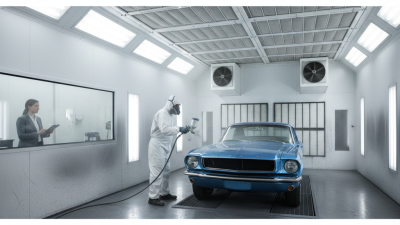
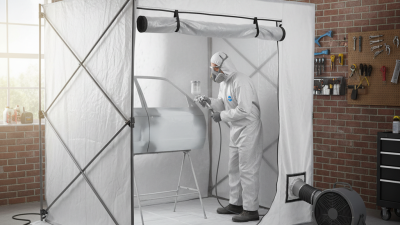
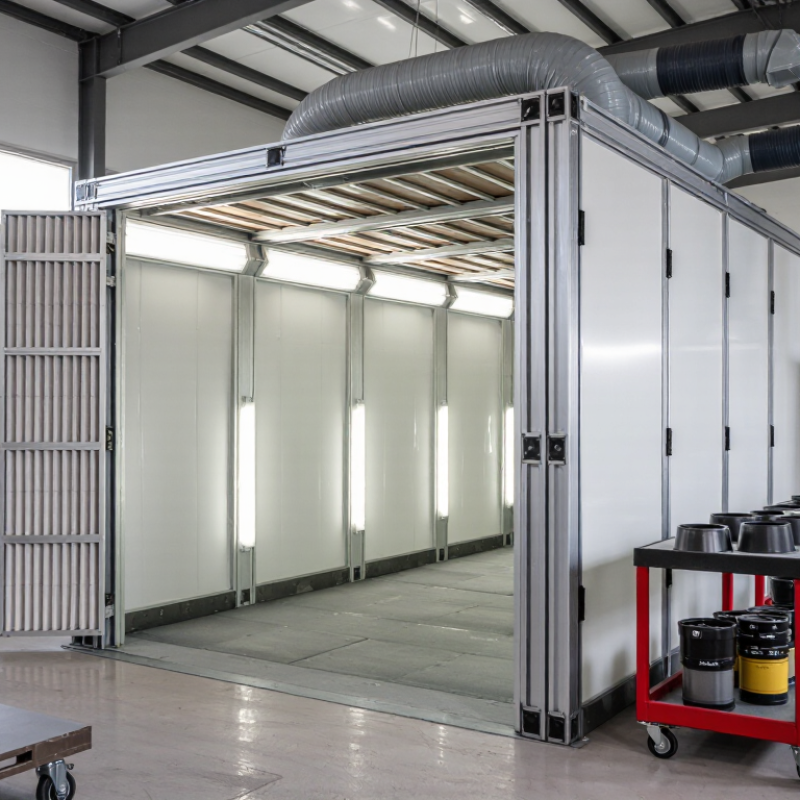
Portable paint booths create a controlled workspace for spraying, drying, and finishing projects. Their temporary structure helps reduce dust, overspray, and uneven coating results. A typical unit includes a flexible enclosure, exhaust fan, filters, lighting, and a framed entry. Size and airflow matter more than appearance. A booth should provide enough clearance around the workpiece and move air steadily through the enclosure. Weak airflow can leave paint mist suspended in the workspace.

These booths support many applications. Auto repair teams use them for panels, bumpers, and small body parts. Furniture makers finish cabinet doors, chairs, and tables with better consistency. Maintenance departments may coat agricultural parts, metal frames, or industrial components.

Some users also need a drying area after spraying. In every case, surface preparation remains essential. Clean parts, suitable lighting, and correct filter placement strongly affect the final finish.

Real-world setup is rarely perfect. Uneven floors, changing wind, and limited workshop space can complicate installation. Measure the location before selecting a booth. Check the electrical supply, ventilation route, filter availability, and emergency access. Operators should use suitable protective equipment and follow coating manufacturers’ safety instructions. Portable does not mean risk-free. Regularly inspect fan performance, fabric seams, frames, and filters. A neglected filter may reduce airflow and spread contamination. Global buyers should also verify local workplace, electrical, fire, and environmental requirements before operation.
Types of Portable Paint Booths for Different Workspaces

2026 Top Portable Paint Booths for Global Buyers

Types of Portable Paint Booths for Different Workspaces

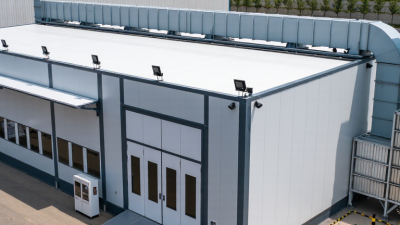
Portable paint booths vary by workspace, airflow needs, and project size. A foldable enclosure suits small garages, hobby rooms, and occasional furniture work. It stores easily and needs limited floor space. However, its working area can feel tight around larger panels.

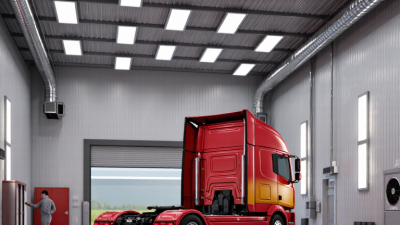
For vehicle parts or medium-sized equipment, a frame-based booth offers more usable height and width. Reinforced walls improve stability when doors open or air pressure changes. Replaceable intake and exhaust filters help control overspray and airborne particles. Good lighting also matters, especially when checking gloss, edges, and small surface flaws.

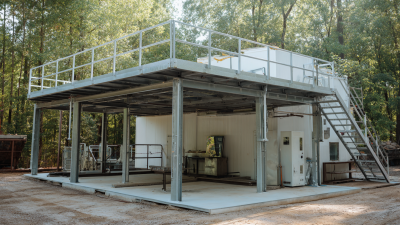
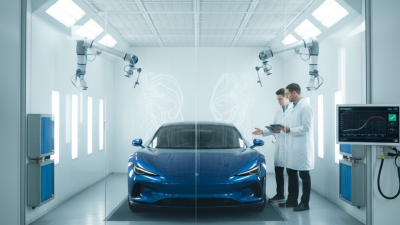
Larger workshops may need a modular portable booth with stronger ventilation and separate access zones. This type supports repeated production without permanently altering the building. A clean-air configuration can help protect sensitive finishes in dusty spaces. It still requires careful filter selection, duct placement, grounding, and regular airflow checks.

Choose carefully. Bigger is not always better.

From practical setup experience, many users underestimate clearance around the booth. The enclosure may fit, but operators still need safe room to move hoses and materials. Always review the manufacturer’s airflow data and follow local workplace, electrical, and fire-safety requirements. No portable booth is perfect. A quieter fan may provide less airflow, while a compact design may reduce convenience. Test the workspace under real conditions before committing to daily use.

Essential Features for Comparing Global Booth Options

When comparing portable paint booths for global use, begin with airflow rather than appearance. A stable airflow pattern reduces overspray and supports consistent coating quality. Check the booth’s rated air volume, filtration stages, and replacement filter availability. Fine filters may improve capture, but they can restrict airflow when neglected. That detail is easy to miss.

Booth dimensions should match the largest workpiece, operator movement, and spray equipment. Measure doorways and transport routes before ordering. A compact booth is convenient, yet limited space can create uneven coating and uncomfortable working conditions. Look for tool-free frame assembly, reinforced joints, lockable casters, and clear setup instructions. Field users often value fast maintenance more than decorative features. They should.

Global buyers also need electrical compatibility, noise data, ventilation design, and documented safety testing. Confirm voltage, frequency, plug configuration, and motor protection for the destination country. Ask for technical drawings, filter specifications, material certificates, and inspection records. These documents help distributors and facility managers review local requirements with qualified professionals. Do not rely only on a supplier’s phrase, “international standard.” Standards differ, and translation errors happen. Check whether the booth supports the intended coating process, temperature range, and working environment. Consider packing strength, spare-part logistics, warranty response time, and remote troubleshooting. A lower purchase price may become expensive when one missing filter delays production. Safety remains site-specific, so a local assessment is still necessary before operation.

Safety, Ventilation, and Compliance Requirements

2026 Top Portable Paint Booths for Global Buyers

Safety starts with measured airflow, not a product photograph. OSHA 29 CFR 1910.94(c) specifies a minimum average velocity of 100 feet per minute for many spray-booth configurations. Buyers should verify this with a calibrated anemometer at the operator’s working zone. Airflow is not decoration. It controls overspray, vapor movement, and worker exposure.

NFPA 33 guidance emphasizes mechanical exhaust, suitable electrical equipment, bonding, grounding, and safe separation from ignition sources. EPA’s AP-42 emissions-factor data also treats spray coating as a source of volatile organic compounds and particulate emissions. Therefore, a portable booth needs more than a flexible frame and a fan. It needs documented filter performance, outdoor exhaust planning, and a clear maintenance schedule. Keep it grounded.

Compliance changes by destination. European installations may require explosive-atmosphere risk assessment, while other markets may follow national fire, environmental, and occupational exposure rules. Importers should request test records, airflow readings, electrical classifications, and material safety documentation before purchase. A local authority or qualified engineer should review the final layout.

A practical warning: “portable” does not mean unrestricted. Indoor placement can conflict with fire separation, building ventilation, or hazardous-area requirements. I would not rely on a supplier’s generic certificate alone. Certificates may cover one configuration, while field assembly creates another. That detail is easy to miss, and expensive to correct.

How to Select the Best Portable Paint Booth in 2026

Selecting the best portable paint booth in 2026 starts with the work, not the price. Measure the largest object, operator space, and loading path. A booth should provide room for spray movement without wasting energy. Check airflow direction, extraction capacity, filter access, and replacement costs. Poor airflow can leave uneven finishes and expose workers to harmful vapors. That matters.

Tips: Choose a frame that one trained person can assemble safely. Inspect flame-resistant materials, sealed joints, emergency access, lighting, and grounding provisions. Confirm the electrical system matches the local supply. Ask for airflow data, filter specifications, testing records, and clear maintenance instructions. Local fire, workplace, and environmental requirements may differ, so verify them with the responsible authority before purchase.

Portability also needs practical testing. Wheels, folding sections, and compact storage sound useful, but they may weaken stability. A heavier base can be safer on uneven floors. It can also slow installation.

Consider noise levels in shared workshops and the distance to an approved exhaust location. Water-based coatings may reduce some emissions, yet they still require proper ventilation and protective equipment. No product fits every workshop. A short trial with the intended coating, object size, and daily schedule can reveal problems that product sheets miss. Measure twice.

Open chat
Scan the code
Bendet Sales Assistant
Hi There👋,
Thank you for visiting our website, How can I help you?