






Choosing the right spray booth filters and supply is not a simple price comparison. A filter that looks suitable online may restrict airflow, fit poorly, or need replacement sooner than expected. For global buyers, those details can affect finish consistency, production schedules, and operating costs.
This guide compares ten filter and supply options, including intake media, ceiling filters, paint-arrestor pads, and related booth essentials. It considers fit, filtration purpose, airflow requirements, documentation, and supplier support. A low purchase price can be tempting. It is not the whole story. Buyers should verify dimensions and performance information against their booth and coating process, rather than relying on product names alone.
For transparency, the following is an editorial line from a fictional spray-finishing adviser, Daniel Mercer—not a sourced quotation: “A filter earns its place when it fits the booth and the maintenance plan.” That distinction matters. This guide is a starting point, not a substitute for checking technical data or asking suppliers specific questions. Some products may suit one workshop and disappoint another; that is easy to overlook in a ranked list. Readers should compare specifications carefully, confirm availability for their region, and consider replacement lead times before ordering. Little details matter. A consistent supply of correctly matched filters can help keep a booth operating as intended, while an unsuitable choice may create avoidable maintenance and quality concerns.
Spray booth filters help control airborne overspray and keep dust away from wet finishes. They do not correct poor spray technique, but suitable filtration supports a cleaner, more consistent coating. A fine speck trapped in a glossy panel can mean sanding and rework. Small details matter.
Intake filters catch particles entering with the booth air, while exhaust filters capture overspray before air leaves the working area. Each type has a different job. For global buyers, compare filter dimensions, media type, airflow capacity, and operating temperature against the booth’s specifications. A filter that fits the frame may still restrict airflow if its resistance is too high. That detail is easy to miss.
Watch pressure readings and inspect filters for uneven loading, tears, or paint buildup. Replace them according to operating conditions, not just a calendar. A heavily used booth may need attention sooner; a lightly used one may not. No schedule is perfect. Real shops get busy, and checks can slip. Still, recording pressure changes and replacement dates makes problems easier to trace and helps protect finishing quality.
Typical particle-size ranges found in finishing environments (approximate, in micrometres). The ranges overlap and vary with materials, application methods, and booth design.
How filters help: Intake prefilters reduce incoming dust; finer intake filters help protect the finish from smaller airborne particles; paint-arrestor filters capture overspray in the exhaust. Select filter media for the booth and coating, and replace it according to pressure-drop limits and supplier guidance.
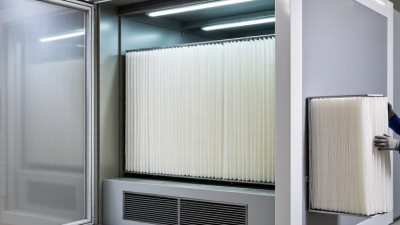
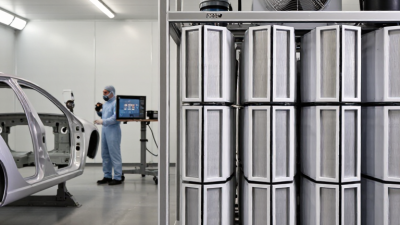
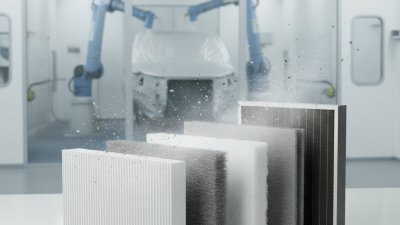
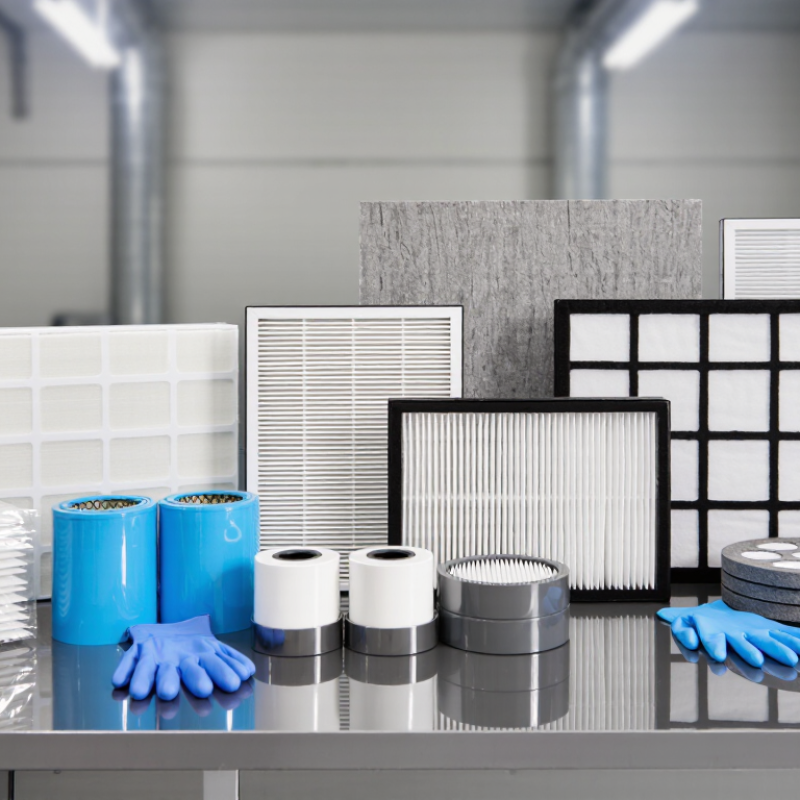
Spray booths use several filter types, each handling a different part of the airflow. Intake or ceiling filters catch dust before it reaches freshly coated surfaces. Common media include synthetic fibers, fiberglass, and pleated material. Check the airflow arrow and inspect the frame edges; even a small gap can let dust bypass the filter. Fit matters.
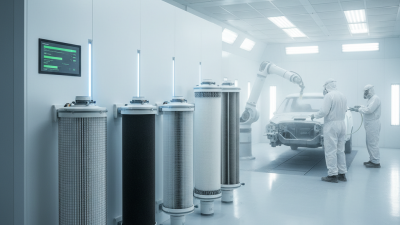
Exhaust filters capture overspray before air passes out of the booth. Fiberglass paint-arrestor media, folded paper filters, and layered pads suit different paint loads and booth layouts. Some systems use downstream pocket filters for finer particles. Carbon media may help reduce certain odors, but it is not a substitute for suitable emissions controls. Inspect the filter face and pressure readings. Calendar schedules alone can mislead.
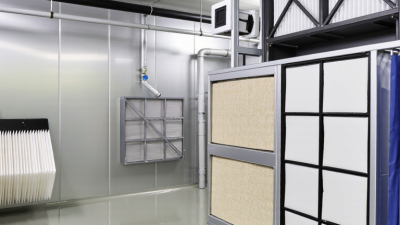
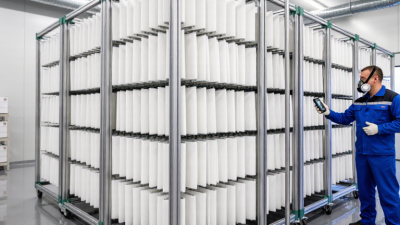
Supplies matter, too. Floor-filter media collects falling overspray, while gaskets and frame seals help prevent air leaks. A differential pressure gauge can show when resistance is rising; tack mats near entrances can limit tracked-in dust. Replace components according to their condition and system guidance, and handle used media appropriately. There is no perfect interval. Dust levels and coating work vary, so selection sometimes takes review.
| # | Filter or Supply Type | Typical Material or Format | Primary Function | Common Placement or Use | Buyer Considerations |
|---|---|---|---|---|---|
| 1 | Intake Pre-Filter | Synthetic fiber, fiberglass, or pleated media | Captures larger airborne particles before incoming air reaches finer filters or the booth. | Air intake, upstream of the final intake filter | Check airflow capacity, dimensions, dust-holding capacity, and the required replacement interval. |
| 2 | Ceiling or Supply-Air Filter | Progressively structured synthetic fiber or fiberglass media | Helps remove fine particles from supply air to reduce dust contamination on painted surfaces. | Ceiling filter bank or supply-air plenum | Confirm airflow direction, filter depth, frame fit, and compatibility with the booth’s air-delivery design. |
| 3 | Fiberglass Paint-Arrestor Filter | Lofted glass-fiber mat, often supplied in rolls or pads | Captures overspray droplets in suitable exhaust-filter configurations. | Exhaust wall or floor-filter arrangement, as specified by the booth design | Verify the intended orientation and application; use only where permitted by the booth and local regulations. |
| 4 | Polyester Paint-Arrestor Filter | Synthetic polyester fiber, commonly in pads or rolls | Collects paint overspray while allowing exhaust air to pass through. | Exhaust filter bank or other approved overspray-capture location | Compare rated airflow, holding capacity, dimensions, and suitability for the coating and booth system. |
| 5 | Accordion Paper Exhaust Filter | Folded, multi-layer paper with perforations or expansion channels | Captures overspray through changes in airflow direction and surface contact. | Exhaust wall filter banks in compatible booths | Check the filter’s dimensions, airflow rating, installation orientation, and waste-disposal requirements. |
| 6 | Pocket or Bag Filter | Multiple fabric or synthetic-media pockets | Provides extended media area for particle capture in systems designed for bag filters. | Ventilation or air-handling stages; use as an exhaust filter only when the system specifies it | Match pocket count, length, frame size, pressure-drop limits, and the required filtration stage. |
| 7 | Activated-Carbon Filter | Granular or impregnated carbon media, often in a panel or cartridge | Adsorbs certain gaseous compounds and odors; it is not a replacement for particulate or overspray filters. | Dedicated treatment stage where the system is designed and approved for carbon media | Assess the target compounds, carbon capacity, humidity, airflow, service life, and applicable emissions rules. |
| 8 | Filter Frames, Grids, and Retainers | Metal or durable polymer frames, grids, clips, or holding rails | Supports filter media and helps maintain a secure fit that limits bypass around the filter. | Intake, ceiling, or exhaust filter openings | Measure the opening and media thickness; ensure the hardware is suitable for the booth environment. |
| 9 | Filter Gaskets and Sealing Materials | Compressible gasket strips or compatible sealing materials | Helps close gaps between filter edges and the holding frame to reduce unfiltered air bypass. | Along filter-frame contact surfaces | Choose material compatible with the operating temperature, cleaning method, and relevant coating chemicals. |
| 10 | Booth Floor and Surface Protection | Protective floor paper, masking film, or removable booth-protection sheets | Helps protect booth floors and nearby surfaces from overspray and simplifies cleanup; it does not replace ventilation filters. | Floor, walls, windows, and other surfaces designated for protection | Confirm slip resistance where needed, surface compatibility, fire-safety requirements, and disposal procedures. |
Selection note: Filter performance depends on the booth design, airflow, coating process, and local requirements. Confirm dimensions, airflow direction, pressure-drop limits, and replacement guidance with the equipment documentation. Used filters may require controlled handling and disposal based on the materials they have collected.
Comparing the top ten options means looking beyond price and product labels. Match each filter to its position: intake, ceiling, floor, or exhaust. Check its dimensions, media depth, stated capture efficiency, and pressure-drop data. These details affect fit and airflow. A filter that looks suitable on paper may restrict a booth’s airflow when loaded with overspray. Published ratings can also use different test methods, so comparisons are not always straightforward.
Tips: Ask for a technical data sheet and confirm roll width or panel dimensions before ordering. Check packaging, storage guidance, and replacement availability. Keep a sample for a fit check. Small mismatch, real headache.
For supplies such as masking materials and prefilters, compare durability, dust control, and waste generated during routine changes. Ask suppliers how consistently they maintain specifications between shipments, and whether they can provide clear product documentation. Global shipping adds practical questions: lead times, packing protection, and dependable replenishment. A low unit price may lose its appeal if filters arrive damaged or sizes vary. Record airflow readings before and after replacement; this simple check helps reveal whether a product performs well in your actual booth, not just in a catalog.
Global buyers should compare booth filters by duty, not by “high efficiency” labels. Intake ceiling media conditions incoming air; exhaust arrestors capture paint droplets. They are not interchangeable. Check dimensions, airflow, face velocity, and initial pressure drop against the booth maker’s operating data. Fit matters.
ASHRAE Standard 52.2 reports MERV 13 minimum efficiencies of 50% for 0.3–1.0 μm particles and 85% for 1.0–3.0 μm particles. These figures describe HVAC particle testing, not sticky overspray capture. ISO 16890 also classifies air filters by particulate size fractions, including ePM1, ePM2.5, and ePM10. Neither rating alone proves suitability for a spray booth. Compare pressure drop as the media loads, and confirm temperature and coating-process compatibility. A small mismatch can reduce airflow. That detail is easy to overlook.
Tips: Ask suppliers for test methods, pressure-drop curves, and media dimensions—not just efficiency claims. Match the exhaust filter to the coating and expected loading, then inspect it during operation. A filter can look clean yet be restricting flow; visual checks are useful, but incomplete.
For global buyers, spray booth supplies should be matched to the coating process, airflow, and booth design—not selected by price alone. EPA’s AP-42 surface-coating chapter reports typical transfer efficiency of about 25–40% for conventional air spray, compared with roughly 65% for HVLP systems. These figures vary by setup, but they show why overspray capture and filter loading differ between operations. Specify the correct intake and exhaust filter dimensions, airflow direction, and documented pressure-drop range before ordering. A filter that looks clean may already be restricting airflow.
Keep a simple maintenance log: record installation dates, pressure readings, coating type, and visible paint buildup. Replace filters when readings reach the booth or filter supplier’s stated limit, rather than relying on a fixed calendar interval. Check frames and seals during each change; gaps can let overspray bypass the filter. Dispose of used filters according to applicable local requirements.
Small details matter. A missed seal can undo a careful change.
Tips: Keep one clearly labeled spare set on site. Photograph the pressure gauge before and after replacement, and compare readings under similar operating conditions. If pressure rises unusually fast, review coating use, airflow, and filter fit before ordering a different grade. EPA AP-42 provides process-level data, not a universal filter-change schedule, so verify maintenance limits against your booth documentation.
Hein Minnie
Cell nr: +27 (0) 82 564 6501
Email: sale@thecirclemachine.com
Hein Minnie Jnr
Cell nr: +27 (0) 84 284 7234
Email: sale@thecirclemachine.com
Address:
10 Apsey Street,
Heidelberg,
Gauteng,
1441
Bendet Engineering Services (PTY) LTD was established in 1987. Our team of engineers and draughtsman are ready to deliver a complete turnkey solution, from the design phase to commissioning. A dedicated team that consists of electrical, mechanical and industrial engineers, we are able to offer a comprehensive service to our clients.